
Understanding gambling addiction A guide to awareness and recovery
What is Gambling Addiction?
Gambling addiction, also known as compulsive gambling, is a behavioral disorder characterized by an uncontrollable urge to gamble despite the negative consequences. Individuals suffering from this addiction often experience a cycle of wins and losses that can lead to increased anxiety, depression, and financial instability. The thrill of winning can create a powerful emotional rush, making it difficult for individuals to step away, even when they recognize that their gambling is problematic. In today’s digital world, many are drawn to the excitement of alternatives like the crypto casino usa, which can further complicate their relationship with gambling.
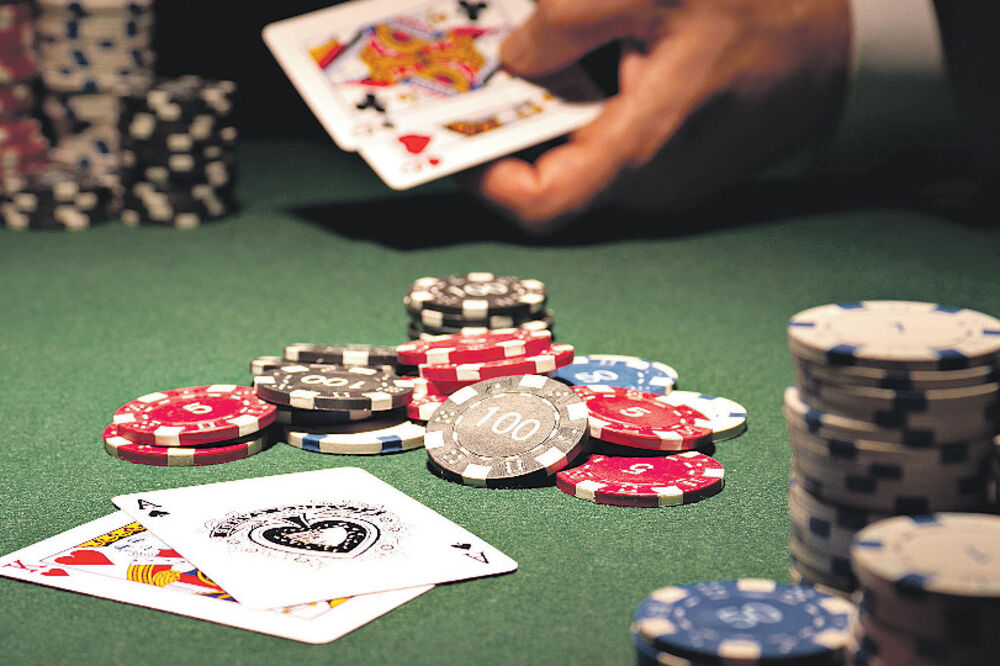
This addiction can manifest in various forms, including sports betting, casino games, and online gambling. What begins as a social activity can quickly escalate into a serious compulsion that disrupts personal relationships and professional responsibilities. Understanding the nuances of this addiction is crucial for both individuals and their loved ones in recognizing early signs and seeking help.
Signs and Symptoms of Gambling Addiction
Identifying gambling addiction can be challenging, as it often develops gradually. Common signs include preoccupation with gambling, needing to bet larger amounts to achieve the same thrill, and experiencing restlessness or irritability when trying to cut back. Those affected may lie about their gambling habits, borrow money to gamble, or use gambling as a way to escape from stress and emotional pain.
In addition to these behavioral indicators, gambling addiction can lead to significant mental health issues. Anxiety, depression, and even substance abuse can occur as a result of the stress and shame associated with gambling losses. It is essential for individuals to recognize these signs and understand that seeking help is a sign of strength, not weakness.
Impact on Personal and Financial Life
The repercussions of gambling addiction extend far beyond the individual. Families and relationships often suffer as trust erodes and financial stability diminishes. A gambling addict may neglect responsibilities, leading to job loss, strained family dynamics, and even legal troubles due to unpaid debts. The financial implications can be devastating, resulting in bankruptcy or chronic debt issues.
Moreover, the emotional toll on loved ones can be profound. Family members often feel helpless and frustrated as they witness their loved one’s struggle. The stigma associated with addiction can further complicate these relationships, creating an environment of secrecy and shame. Recovery, therefore, must involve not only the individual but also their support system.
Pathways to Recovery
Recovery from gambling addiction is a journey that typically involves professional treatment, peer support, and personal commitment. Various therapeutic approaches, including cognitive behavioral therapy and support groups like Gamblers Anonymous, have proven effective in helping individuals regain control of their lives. Therapy can assist in identifying triggers, developing coping strategies, and addressing underlying mental health issues.
Additionally, establishing a strong support network is crucial. This may involve engaging family members in the recovery process or connecting with others who understand the challenges of addiction. Building a life that prioritizes healthy activities over gambling can significantly enhance the chances of long-term recovery and personal growth.

Resources for Assistance
Understanding gambling addiction and its impact is the first step toward recovery. Many resources are available to help individuals and families navigate this challenging journey. Professional organizations and hotlines provide information, support, and access to treatment options tailored to individual needs. Education about the addiction can empower both the individual and their loved ones to take informed steps toward recovery.
For those seeking financial solutions during recovery, it is essential to explore options that promote financial health without further risking one’s stability. Various platforms offer resources tailored to assist individuals as they work toward rebuilding their lives. Being proactive in seeking help can foster a path to healing and eventual recovery from gambling addiction.